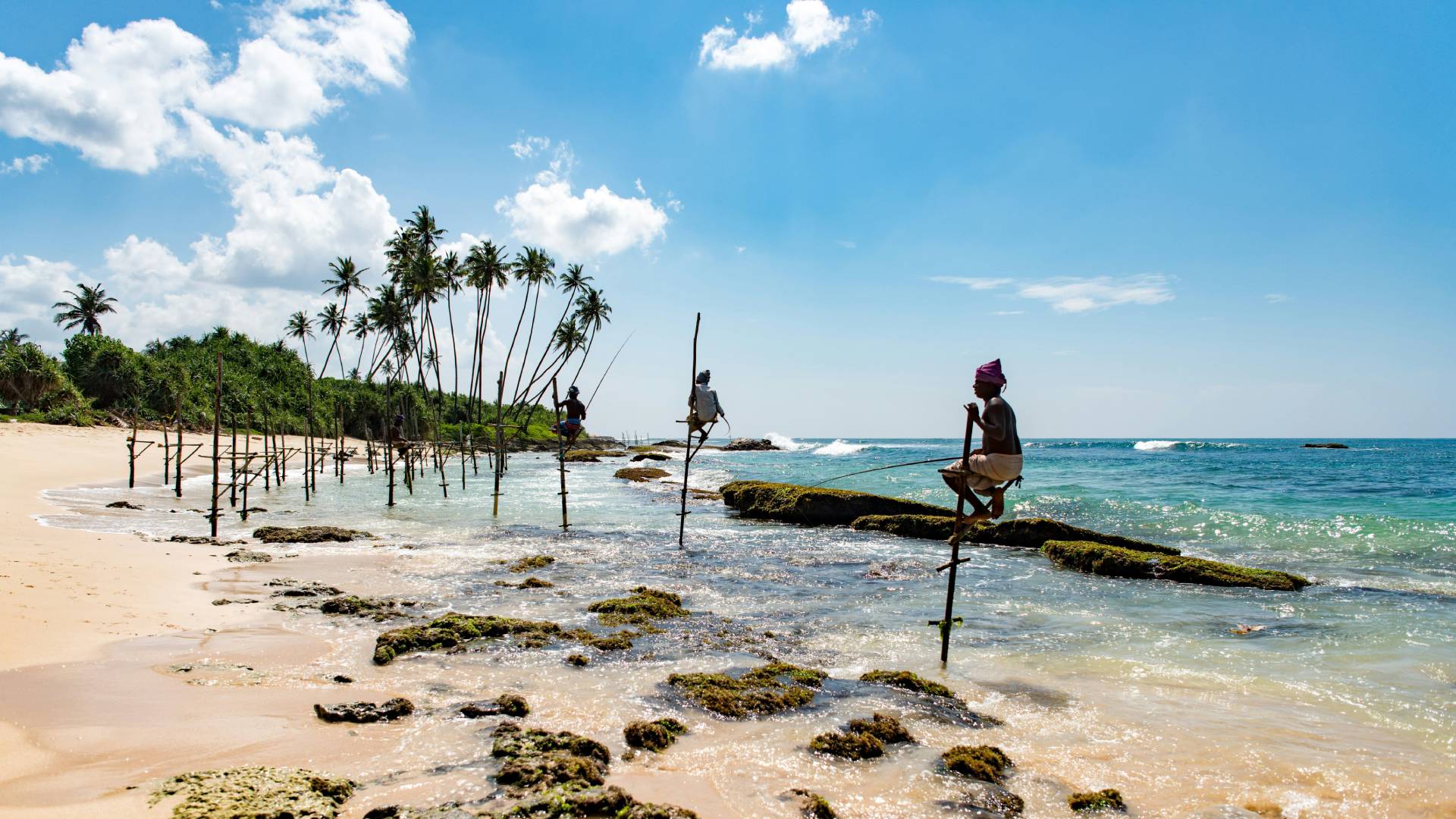
🇱🇰 Sri Lanka
Pearl of the Indian Ocean, ancient rock fortresses, scenic train rides through tea hills, whale watching & golden beaches. ETA required for Bangladeshis.
Sri Lanka is one of the most rewarding destinations in Asia a small island nation off the southern tip of India that packs an extraordinary range of experiences into a compact geography. Ancient Buddhist kingdoms, misty tea plantations, colonial port cities, leopard safaris, whale watching, and some of the most beautiful beaches in South Asia all reachable within a few hours of each other.
Tour Packages
4 Nights of Magic in Sri Lanka - Hills, Tea & Beach
Ceylon Charm Getaway - Kandy, Tea Country, Bentota Beach & Colombo
Enchanting Sri Lanka - The Complete 6-Day Island Journey
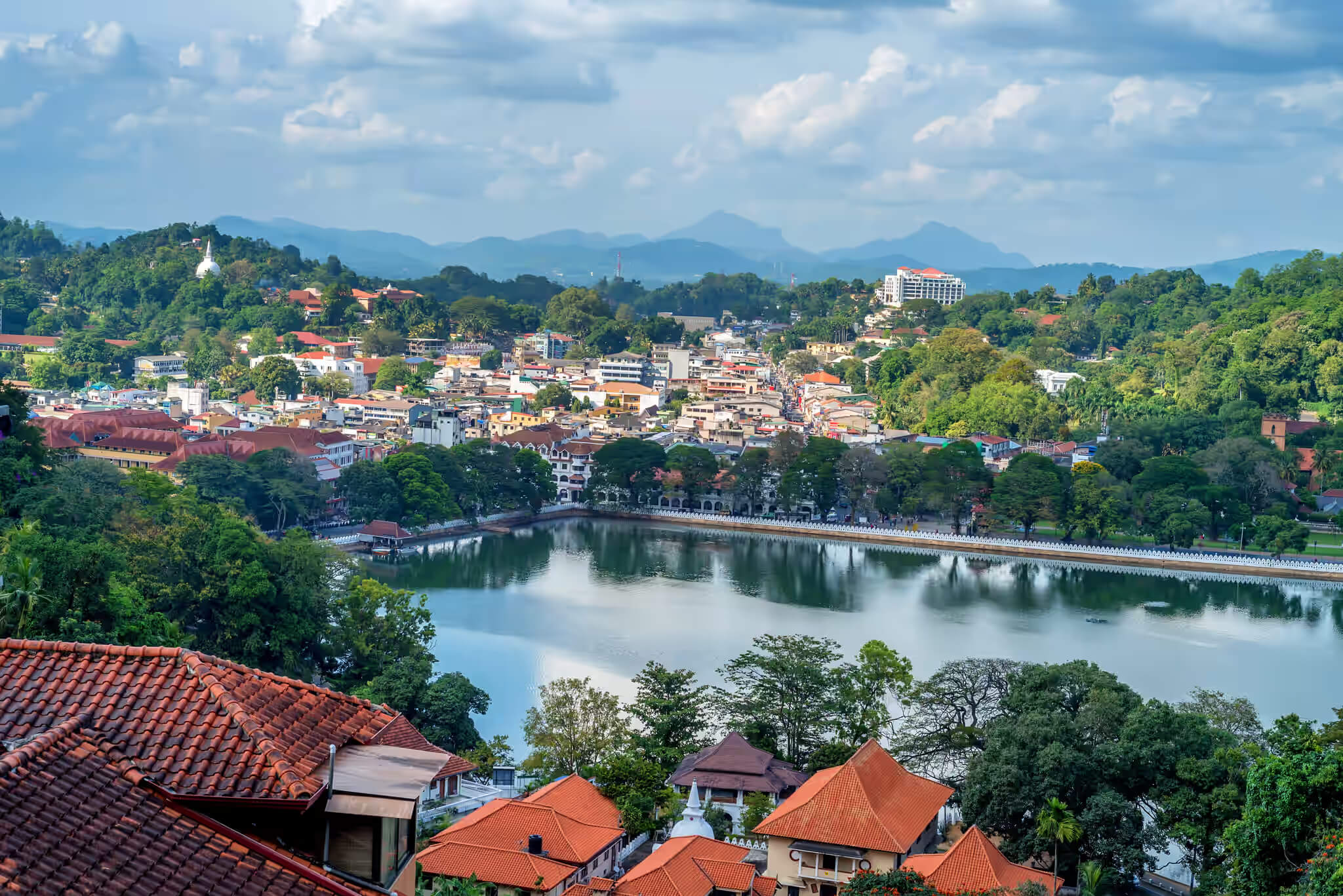
Sri Lanka Mini Discovery – Kandy, Tea Trails & Colombo
Sri Lanka Travel Guide
Everything you need to plan your trip
ETA (Visa) for Bangladeshi Citizens
Important update: As of October 15, 2025, Sri Lanka made the ETA mandatory for all foreign nationals including Bangladeshi citizens. Previously, some entry arrangements varied — as of now, all Bangladeshi travelers must obtain the ETA before arrival.
What is the Sri Lanka ETA?
The Electronic Travel Authorization (ETA) is not a physical visa sticker in your passport. It is a digital travel permission linked electronically to your passport number. You apply online, receive approval by email within 24–48 hours, and present the approval confirmation (printed or on your phone) at the airport. Simple, fast, and done from home.
ETA details for Bangladeshi citizens:
- Type: Tourist ETA (double entry)
- Stay permitted: 30 days from date of first entry
- Validity: 180 days from issue date — you must enter Sri Lanka within 180 days
- Entry: Double entry (you can leave and re-enter once within the validity)
- Extension: Possible through the Department of Immigration — up to 270 days total (in stages: +60 days, +90 days, +90 days)
- Fee: USD 20 (SAARC-reduced rate for Bangladeshi nationals — the standard rate for most nationalities is USD 50)
- Processing: 24–48 hours standard. Apply at least 1 week before travel.
How to apply:
- Visit the official ETA portal: eta.gov.lk
- Complete the online form (10 minutes) passport details, travel dates, accommodation address
- Pay USD 20 by international credit/debit card
- Receive approval by email — print or save to phone
- Present at Bandaranaike International Airport check-in and at SriLanka immigration
Alternatively:
Apply through the High Commission of Sri Lanka in Dhaka. Address: House No. 51, Road No. 18, Block-J, Banani, Dhaka-1213
Documents needed at Sri Lanka immigration:
- Valid Bangladesh passport (6+ months remaining from travel date)
- ETA approval email (printed or digital)
- Return or onward flight ticket
- Proof of accommodation (hotel booking)
- Proof of sufficient funds (bank statement or credit card)
Travel insurance:
Health insurance is mandatory to enter Sri Lanka as of 2026. Ensure your travel insurance covers medical treatment in Sri Lanka — most comprehensive travel insurance policies qualify.
Getting There from Dhaka
By Flight (Only Practical Option)
SriLankan Airlines, Fits Air, Biman Bangladesh, and US-Bangla Airlines operate flights between Dhaka's Hazrat Shahjalal International Airport and Bandaranaike International Airport, Colombo (BIA, technically at Katunayake 30 km north of Colombo city).
Flight time: approximately 3 hours 15–30 minutes direct. Return fares: ৳35,000–48,000 depending on season and advance booking. SriLankan Airlines often has the most competitive fares for this route, check 6–8 weeks in advance.
Getting from the airport to Colombo city:
- Taxi: ৳2,500–3,500 (fix price at the official airport.Taxi desk do not negotiate in arrivals hall)
- Airport Express Train: LKR 200 (approximately ৳80) a scenic 30-minute ride connecting the airport to Colombo Fort station. The most affordable and authentically Sri Lankan arrival experience.
Getting around Sri Lanka:
Sri Lanka is compact, approximately 430 km from north to south. The efficient way to travel is by a combination of:
- Trains for scenic routes (Kandy→Ella is world-famous)
- AC buses for speed between cities
- Tuk-tuks (three-wheelers) for within-city travel and short hops
- Private car or van hire for maximum flexibility (recommended for group trips — a car + driver costs approximately USD 50–70 per day and covers multiple sites in comfort).
Best Time to Visit
Sri Lanka has a two-season monsoon pattern and because the island is positioned between two monsoon systems, different coasts have opposite peak seasons. Understanding this is essential for planning.
December to March — South and West Coast (Colombo, Galle, Mirissa, Bentota)
The southwest monsoon has ended by November. December to March brings dry, sunny weather to Colombo, Galle, and the southern beaches. Peak whale watching season for blue whales off Mirissa (November–April). Best season for the Cultural Triangle (Sigiriya, Kandy, Anuradhapura). This is Sri Lanka's main tourist peak — book accommodation 2–3 months in advance for December and January.
May to September — East Coast (Trincomalee, Arugam Bay, Batticaloa)
While the southwest is rainy from May to September, the northeast coast enjoys dry, sunny weather. Trincomalee has calm, turquoise water — excellent for snorkelling and diving (May–September). Arugam Bay is a world-class surf destination in season (June–September).
Year-round regions:
Kandy, Ella, Nuwara Eliya (hill country): Rain is possible in any month but manageable. Cool temperatures year-round. Colombo: The capital receives some rain in most months but the rains are typically short and heavy not a week-long drizzle.
For Bangladeshi travellers (most popular window): December to March combining Colombo, Sigiriya, Kandy, Ella, and the southern beaches in 7–10 days of predominantly dry weather.
Top Places to Visit
Colombo — The Vibrant Capital
Colombo is Sri Lanka's commercial capital and the entry point for most international visitors. It deserves more than an airport transit. Key areas: Pettah Market (Colombo's chaotic, colourful bazaar district — everything from spices to electronics), Galle Face Green (an oceanfront promenade perfect for evening street food — try isso wade, egg hoppers, and fresh king coconut), Gangaramaya Temple (one of Colombo's most important Buddhist temples — an eclectic mix of Sri Lankan, Thai, Indian, and Chinese architecture), the National Museum, and the Dutch Hospital Shopping Precinct (colonial-era hospital converted into upscale restaurants and shops). Plan 1–2 days.
Sigiriya — The Lion Rock Fortress
Sri Lanka's most iconic landmark and a UNESCO World Heritage Site. Sigiriya is a 200-metre volcanic rock rising almost vertically from the surrounding jungle, topped by the ruins of a 5th-century royal palace built by King Kasyapa. The climb takes 1–1.5 hours up steep staircases bolted into the rock face, passing ancient frescoes (21 of the original paintings still preserved — bright colours, finely drawn figures), the famous Mirror Wall (polished plaster that once reflected the king's image, now covered with ancient graffiti — some of the oldest writing in Sri Lanka), and finally the lion's paw gateway at the summit. The view from the top covers the entire surrounding jungle plain. Entry fee: USD 30 (foreign), USD 15 (SAARC), LKR 100 (local). Arrive before 7am to beat the heat and crowds.
Kandy — The Cultural Capital and Sacred Temple
Sri Lanka's last royal capital, set in a green bowl of hills around an artificial lake. Kandy's defining attraction is the Temple of the Sacred Tooth Relic (Sri Dalada Maligawa) — one of the most sacred Buddhist sites in Asia, which houses what is believed to be a tooth of the Buddha. The evening puja (worship ceremony at 6:30pm) is attended by hundreds of devotees and is one of the most atmospheric religious experiences available in South Asia. Entry: LKR 1,500 (foreign visitors). The Esala Perahera festival (July–August) brings a massive procession of elephants, drummers, and fire dancers through the city — one of Asia's great cultural events. Plan 2 nights.
The Kandy to Ella Train — The World's Most Beautiful Railway Journey
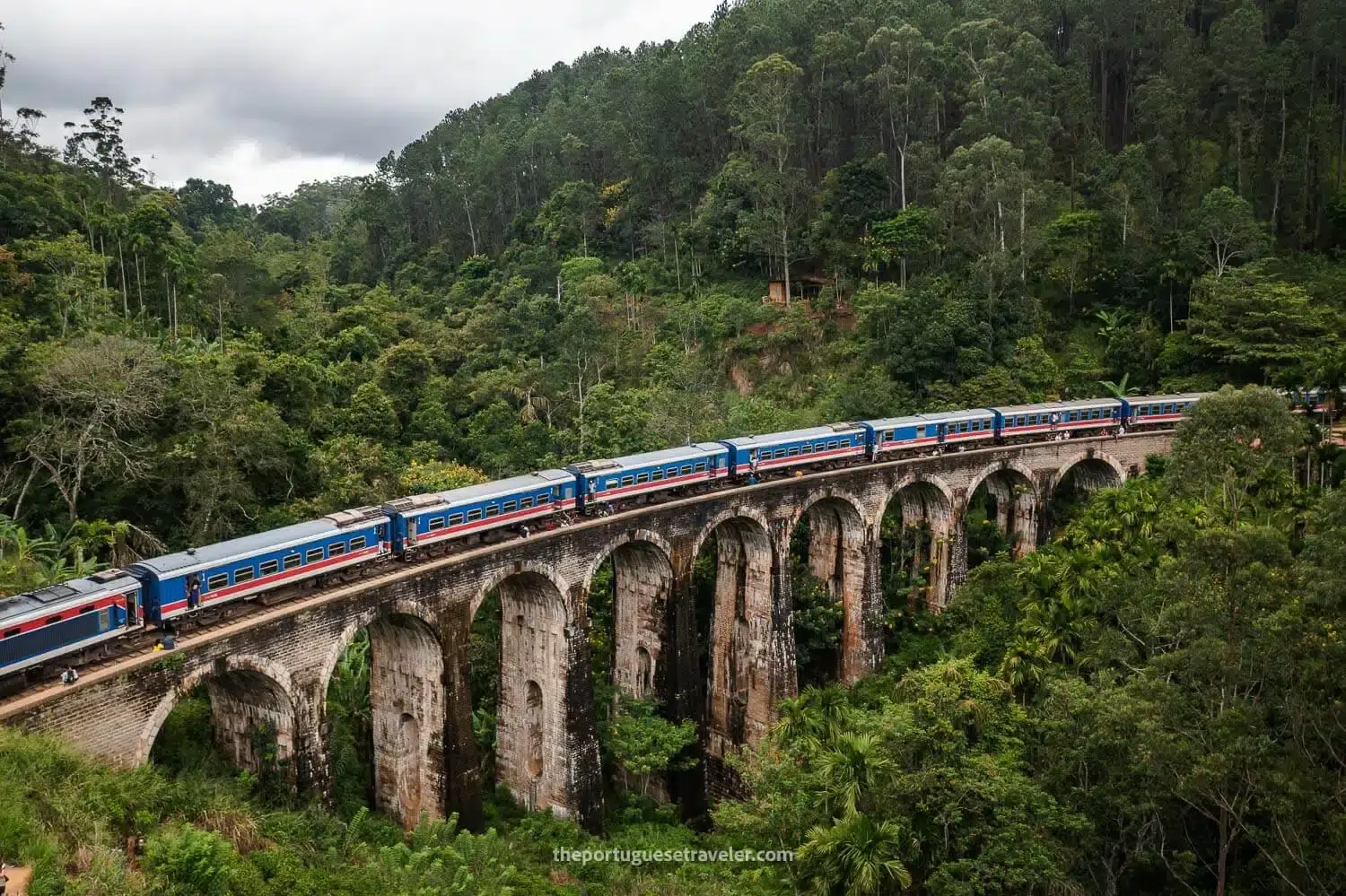
This is not just transport — it is the experience. The train winds for approximately 5 hours through Sri Lanka's central hill country: past tea plantations cascading down hillsides, through cloud-wrapped tunnels, over bridges spanning green gorges, and through villages where children wave from the windows. The Demodara Nine Arches Bridge — a colonial-era viaduct of nine arches visible from the Ella side — is the most photographed spot on the route. Book 1st class seats (air-conditioned observation car) well in advance — they sell out weeks ahead. 2nd class with open windows is loved by backpackers for the breeze and photo opportunities. Cost: LKR 200–800 depending on class.
Ella — The Backpacker's Paradise in the Hills
A small hill town at 1,041 metres elevation that has become one of Sri Lanka's most popular destinations. Ella's appeal is its combination of cool weather, dramatic scenery, excellent cheap restaurants, and easy access to hiking. Must-do: Ella Rock hike (3–4 hours return, no guide needed, spectacular views), Little Adam's Peak (1.5 hours, easier, panoramic views of the valley), the Nine Arches Bridge (15-minute walk from town — best visited at 8am or 6pm when the train crosses). Ella is small — one to two nights is enough, though many travellers end up staying longer.
Nuwara Eliya — Sri Lanka's 'Little England'
Set at 1,868 metres — the highest town in Sri Lanka. The British colonial administration built a hill station here, and the English village atmosphere remains: a Victorian post office, a horse racing track, a golf course, rose gardens, and tea estates stretching across every hillside. The surrounding region produces some of the world's finest high-grown Ceylon Tea. Mackwoods Labookellie Tea Factory (on the Kandy–Nuwara Eliya road) offers free factory tours and excellent tea tasting. Gregory Lake is the centre of Nuwara Eliya town — pedal boats, horseriding, and picnics on the shore. Plan 1 night.
Galle Fort — The Walled Colonial City
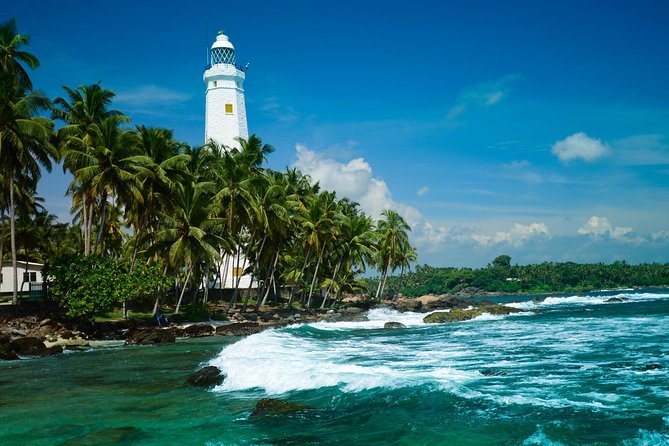
A beautifully preserved Dutch colonial fort on Sri Lanka's southern coast and a UNESCO World Heritage Site. Within the fort walls: cobblestone streets, colonial-era mansions converted into boutique hotels, excellent cafes and restaurants, a lighthouse, a Dutch Reformed Church from 1755, and a rampart walk with sunset views over the Indian Ocean. Unlike Colombo, Galle moves slowly — the fort is best explored on foot over half a day. Outside the fort: Jungle Beach (a small cove 15 minutes away by tuk-tuk — calm, clear water, excellent snorkelling) and Unawatuna Beach (a popular crescent of golden sand 5 minutes from the fort). Plan 2 nights.
Mirissa — Whale Watching and Beach Relaxation
A small beach town on the southern coast famous for two things: blue whale watching and sunset cocktails. Blue whale and sperm whale watching season: November to April — boats depart from Mirissa Harbour at 6am, spending 3–4 hours offshore. Blue whale sighting probability: approximately 80–90% during peak season (December–March). The boat trip itself is an ocean experience — dolphins, flying fish, and flying squid are also commonly seen. Cost: USD 30–45 per person. Book the day before through your hotel. Mirissa Beach is a relaxed, curved bay — calm enough for swimming in the morning, with occasional surf in the afternoon. Best enjoyed over 2 nights.
Yala National Park — Sri Lanka's Best Wildlife Safari
Sri Lanka's most famous national park, located in the southeast. Yala has the world's highest density of wild leopards — approximately one per 3 square kilometres — making it the best place on earth to see a leopard in the wild. Also resident: Sri Lankan elephant, sloth bear, crocodile, water buffalo, spotted deer, and over 200 bird species. Jeep safari: half-day costs USD 40–60 per person (shared jeep) or USD 200–250 for a private jeep. The entrance fee is USD 15 for foreign nationals. Block I (the most visited section) has the best leopard sightings — best visited at opening (6am) and closing (4pm) hours.
Recommended Itineraries
7 days — The Classic Sri Lanka Route:
- Day 1–2: Colombo (Pettah, Gangaramaya, Galle Face)
- Day 3: Drive to Sigiriya (full day — Lion Rock)
- Day 4: Dambulla Cave Temples + drive to Kandy
- Day 5: Kandy (Temple of the Tooth, city walk)
- Day 6: Train Kandy → Ella (morning train, afternoon in Ella)
- Day 7: Ella → Colombo (bus/car), fly home
10 days — Adding the South:
- Days 1–7 as above, then:
- Day 8: Ella → Mirissa (bus, 4 hours)
- Day 9: Whale watching morning, beach afternoon
- Day 10: Mirissa → Galle → Colombo, fly home
5 days — Compact Culture Trip:
- Day 1: Colombo
- Day 2: Colombo → Sigiriya (Lion Rock)
- Day 3: Sigiriya → Kandy (Dambulla en route)
- Day 4: Kandy (Temple of Tooth + Peradeniya Botanical Gardens)
- Day 5: Kandy → Colombo, fly home
For Bangladeshi group trips: The 7-day itinerary is the most popular,it covers all the UNESCO sites, the famous train ride, and gives enough variety for everyone in the group.
Food Guide for Bangladeshi Travelers
SriLankan cuisine has significant overlap with Bangladeshi palates rice-based meals, strong spicing, fish curries, and lentil dishes are central. However there are important differences.
Must-try Sri Lankan dishes:
- Rice and curry (the national staple) a plate of rice with 4–6 small curries including dal, potato, a meat or fish curry, and mallung (shredded leaf vegetable). The spicing is intense more fiery than typical Bangladeshi cooking.
- Dosa and hoppers (thin rice-flour pancakes — egg hoppers are especially popular for breakfast).
- Kottu roti (chopped flatbread stir-fried with vegetables, egg, and meat — a street food staple).
- Fresh king coconut (drunk directly from the coconut — sweet, cool, available everywhere for LKR 60–80).
- Isso wade (spicy prawn fritter a Colombo street food specialty).
- String hoppers with coconut sambol (steamed rice noodle mats with shredded coconut).
Halal food for Bangladeshi Muslim travelers:
Sri Lanka has a significant Muslim community (approximately 9% of the population) and halal restaurants are widely available, particularly in Colombo, Kandy, and larger towns. Look for restaurants displaying halal certification or "Muslim hotel" signs. Avoid unmarked restaurants if uncertain pork is commonly used in Sinhalese cooking. Colombo's Pettah district has a large Muslim community with numerous halal options.
Seafood:
SriLanka's seafood is exceptional fresh tuna, barracuda, squid, crab, and prawns are widely available along the coast. Negombo (the beach town near the airport) is famous for its fresh fish market and seafood restaurants.
Real Cost Breakdown (in BDT)
Flights (Dhaka → Colombo → Dhaka ):
- 6–8 weeks advance | ৳36,000–46,000 |
- 3–4 weeks advance | ৳40,000–50,000 |
- Peak season (Dec–Jan) | ৳40,000–50,000+ |
ETA fee: USD 20 ≈ ৳2,400 (SAARC rate for Bangladeshis)
SriLanka daily budget per person:
- Accommodation Budget ৳1,200–2,500 | Mid-range ৳3,000–6,000 | Comfort ৳8,000–20,000 |
- 3 meals/day Budget ৳600–1,000 | Mid-range ৳1,500–2,500 | Comfort ৳3,500+ |
- Transport (tuk-tuk/bus) Budget ৳300–600 | Mid-range ৳800–1,500 | Comfort ৳2,000+ |
- Sigiriya entry fee | ৳1,800 (USD 15 SAARC)
- Kandy Temple entry | ৳185 (LKR 1,500)
7-day Classic Sri Lanka trip — total cost estimate (per person, mid-range):
Flight (return): ৳40,000 + ETA: ৳2,400 + Hotel 6 nights: ৳18,000 + Meals: ৳12,000 + Transport + activities: ৳10,000 = approximately ৳80,000–85,000 total
Tripzic group trip (all-inclusive land package):
Starting from ৳18,000 per person (land-only, excluding international flight). Includes accommodation, guided sightseeing, group meals, local transport, and a verified local host. Add the return flight (৳40,000–50,000) for total package pricing.
Currency: Sri Lankan Rupee (LKR). As of 2026, approximately LKR 1 ≈ ৳0.33 BDT (i.e., LKR 100 ≈ ৳33). Exchange USD or BDT at Colombo's licensed money changers in the city (Pettah area) for the best rates. ATMs are widely available across Sri Lanka.
Sri Lanka vs Thailand for Bangladeshi Travelers
Sri Lanka:
- ETA: USD 20 for Bangladeshis (SAARC rate)
- Flight from Dhaka: 3.5 hrs
- Currency: LKR — affordable mid-range destination
- More culture-heavy (UNESCO sites, temples, train journeys)
- Beaches excellent but not as warm and clear as Thailand in peak season
- Whale watching is exceptional and nearly unique to this region
- Fewer Bangladeshi tourists = less familiar, more authentic experience
Thailand:
- Visa: Must apply in advance (sticker visa or eVisa, ~৳3,500 fee, 25–30 working days)
- Flight from Dhaka: 2.5–3 hrs
- Currency: THB — comparable affordability to Sri Lanka
- More beach-focused (Phuket, Koh Samui, Krabi)
- More developed tourism infrastructure — more English, more options
- More Bangladeshi tourists visit Thailand — easier to navigate for first-time international travellers
- Nightlife and more urban entertainment options
The honest verdict for Bangladeshis:
Thailand is the first international trip for most Bangladeshi travellers — familiar, well-serviced, and easier logistically. Sri Lanka is the better second or third international trip — more culturally rich, more wildlife, and the Kandy-to-Ella train alone justifies the journey. Both are excellent; neither replaces the other.
Practical Tips
Getting a tuk-tuk: Negotiate before getting in agree the fare in advance. In Colombo, apps like PickMe (Sri Lanka's Uber equivalent) give metered rates without negotiation. Download PickMe before arriving — far more convenient than street hailing.
Train tickets for Kandy–Ella: Book 1st class observation carriage tickets at least 2–3 weeks in advance through the Sri Lanka Railways website (eservices.railway.gov.lk) or through your hotel. They sell out. 2nd class unreserved is always available but gets crowded. Standing in the doorway between carriages is popular among backpackers — the view and breeze are excellent, but hold on.
Dress code at temples: Both Buddhist and Hindu temples require covered shoulders and knees — bring a light scarf or sarong. Most major temples sell or lend sarongs at the entrance. Shoes are removed at all temple entrances.
Electricity: Sri Lanka uses Type D and Type G plugs (the same as Bangladesh uses Type D, UK standard Type G). Bring a universal adapter as a precaution. Voltage is 230V/50Hz — same as Bangladesh.
Water: Do not drink tap water, use bottled water throughout. A 1.5-litre bottle costs LKR 60–100 (approximately ৳20–33) in local shops.
Safety: Sri Lanka is one of the safest destinations in South Asia. Crime against tourists is rare. Swimming at beaches: always check with locals whether currents are safe — some southern beaches have strong rip currents even on calm-looking days. Avoid swimming at dusk when sea visibility drops.
Respect the culture: Sri Lanka is a predominantly Buddhist country. Do not pose for photos with your back to a Buddha statue — it is considered disrespectful. Do not touch monks or hand items directly to a monk (use a tray or a layperson intermediary). Dress modestly at all religious sites.
Frequently Asked Questions
Common questions from travelers
Yes. As of October 15, 2025, all Bangladeshi citizens are required to obtain an Electronic Travel Authorization (ETA) before arriving in Sri-Lanka. The ETA is applied online at eta.gov.lk, the process takes about 10 minutes and approval arrives within 24–48 hours. The fee is USD 20 for Bangladeshi nationals (SAARC-reduced rate, compared to USD 50 for most other nationalities). The ETA allows a 30-day stay, double entry, and is valid for 180 days from issue.
Approximately 3 hours 15–30 minutes direct from Hazrat Shahjalal International Airport, Dhaka to Bandaranaike International Airport, Colombo. SriLankan Airlines, Biman Bangladesh, and US-Bangla Airlines operate this route. Return fares range from ৳32,000 (advance booking) to ৳50,000+ during peak December–January season.
December to March is the best season for the south and west coast covering Colombo, Sigiriya, Kandy, Ella, Galle, and Mirissa. This is peak whale watching season off Mirissa. May to September is the season for the east coast — Trincomalee and Arugam Bay. Year-round for the Cultural Triangle and hill country (though brief rain is possible any month). For a first visit covering all highlights, December–February is ideal.
The Kandy to Ella train journey is the single most iconic experience in SriLanka a 5-hour ride through the hill country, passing tea plantations, waterfalls, tunnels, and the famous Nine Arches Bridge. Book 1st class observation carriage tickets 2–3 weeks in advance. Climbing Sigiriya Lion Rock (a 5th-century palace on a 200-metre volcanic rock) is a close second. Whale watching off Mirissa completes the top three.
Yes. Sri Lanka has a significant Muslim community and halal food is widely available in Colombo, Kandy, and most major tourist areas. Look for restaurants displaying halal certification or "Muslim hotel" signs. Colombo's Pettah district has a large concentration of halal eateries. Most hotels can accommodate halal dietary requirements with advance notice.
A complete 7-day mid-range trip costs approximately ৳70,000–80,000 per person including the return flight (৳28,000), ETA (৳2,400), accommodation, meals, transport, and major entry fees. Budget travelers can complete the same trip for ৳50,000–60,000. Tripzic group trips start from ৳18,000 per person for the land package (excluding international flight) add your Dhaka–Colombo return fare for the complete cost.
Yes — Sigiriya and Kandy are approximately 3.5 hours apart by road. The most popular itinerary visits Sigiriya first (full day), then continues to Kandy the same evening for 1–2 nights, before taking the morning train to Ella. This triangle — Sigiriya → Kandy → Ella — covers Sri Lanka's three most iconic inland experiences in 4–5 days, leaving time for Colombo and the coast.